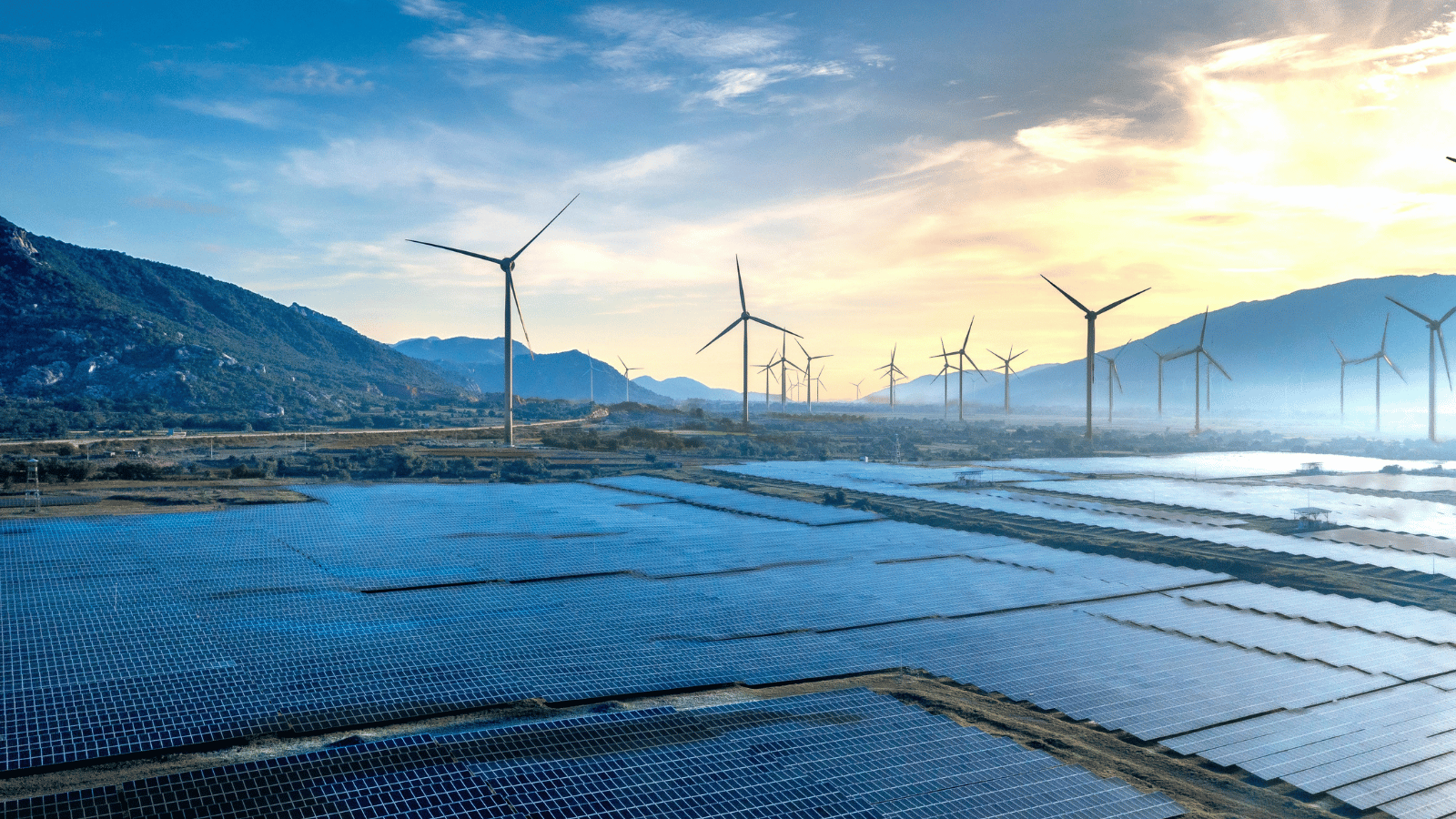
We all know that one of the most important ways to achieve sustainability and lower carbon footprints in the manufacturing sector is to use renewable energy solutions.
This is why we dedicate this article to examining the potential and difficulties related to the use of renewable energy technology in manufacturing environments.
We explore
- Renewable Energy’s Role in Manufacturing
- Obstacles to Renewable Energy Adoption in Manufacturing
- Opportunities for Innovation and Growth with Renewable Energy
- FAQs About Renewable Energy in Smart Manufacturing
Renewable Energy's Role in Manufacturing

A key tactic for improving sustainability and lowering the world’s carbon footprint is the incorporation of renewable energy solutions into the manufacturing sector. This change is a calculated effort to guarantee the sector’s long-term economic sustainability and energy security, in addition to being a reaction to the growing environmental concerns.
Because of the manufacturing industry’s high energy consumption and major impact on environmental degradation, renewable energy is crucial for interventions meant to mitigate climate change and promote sustainable industrial practices.
Achieving sustainability and lowering carbon emissions requires the manufacturing sector to use renewable energy alternatives.
Even though there are still obstacles to overcome, the switch to renewable energy is strongly supported by the chances for innovation, financial savings, and environmental advantages.
In order to overcome obstacles and fully realise the promise of renewable energy in the manufacturing sector, policy frameworks, technological developments, and financing mechanisms will be essential.
Obstacles to Renewable Energy Adoption in Manufacturing
Despite the obvious economic and environmental advantages, the manufacturing sector’s shift to renewable energy is plagued with difficulties. In order to give a thorough picture of the challenges, manufacturers confront, this section examines the hurdles to the adoption of renewable energy by referencing a variety of studies.
Expensive Initial Investment
The high initial cost of renewable energy technology is one of the main obstacles.
For many manufacturers, especially small and medium-sized businesses, the financial investment needed for solar panels, wind turbines, and biomass energy systems might be prohibitive.
Even though there may be substantial long-term energy cost savings, the initial outlay is still a major barrier.
Technological Limitations
The broad use of renewable energy in industry is also hampered by technological constraints.
For enterprises that need a steady and dependable energy supply, the unpredictability and intermittent nature of sources like solar and wind energy can be troublesome.
Furthermore, the integration of renewable energy sources into manufacturing processes is made more difficult by the fact that present energy storage technology does not completely address these problems.
Inadequate Policy Frameworks
Another major obstacle is the absence of incentives and supportive policy frameworks.
Manufacturers in many areas lack the support they need to make the switch because there are no strong government programs to promote the use of renewable energy.
This includes the absence of financial incentives that could help defray the early costs of renewable energy installations, such as tax credits or subsidies.
The Competitive Environment and Market Dynamics
Adoption of renewable energy may also be hampered by this. Due to concerns about rising operating costs and diminished competitiveness, manufacturers in fiercely competitive sectors could be hesitant to engage in renewable energy.
This is especially true in sectors of the economy where profit margins are narrow, and any extra spending can have a big effect on competitiveness.
Cultural and Organisational Barriers
Barriers within businesses might also impede the adoption of renewable energy.
Reluctance to switch to renewable energy sources can be caused by a number of factors, including staff members’ lack of skills and expertise, resistance to change, and ignorance about the advantages of renewable energy sources.
Opportunities for Innovation and Growth with Renewable Energy

Incorporating renewable energy into the industrial sector is a strategic decision that creates several opportunities for innovation, competitiveness, and growth in addition to being a step toward reducing environmental impact.
The manufacturing sector is at a turning point where adopting renewable energy can result in major operational, financial, and environmental advantages as the globe moves more and more toward sustainability.
Production Methods that Use Less Energy
The push for renewable energy is spurring technological development in all fields, giving producers the opportunity to lead the way in energy-efficient manufacturing techniques and create novel materials that use less energy.
In addition to improving operational effectiveness, this innovation wave opens up new markets and promotes growth and expansion in unexplored areas.
Reducing Energy Expenses
Manufacturers who incorporate renewable energy into their operations can drastically reduce their energy expenses in the current market, where sustainability is a major factor in partner and customer preference.
A Competitive Advantage in Sustainability
In addition to giving these manufacturers a pricing advantage, this establishes them as leaders in sustainability and draws in an increasing number of eco-aware partners and customers, increasing their market share and profitability.
Improvement of Job Market
Furthermore, the installation, operation, and maintenance of energy systems require a broad range of skills due to the labour-intensive nature of the renewable energy industry.
Adopting renewable energy helps manufacturers create jobs inside their operations as well as boost the overall economy by developing a competent workforce capable of spearheading future advancements in the manufacturing and energy sectors.
Reducing Risks Associated with Energy
Manufacturers who rely on fossil fuels are vulnerable to price fluctuations and supply chain interruptions. Because of its consistency and predictability, renewable energy provides a more dependable power source that improves operational resilience and continuity.
Long-term planning and investment benefit greatly from this consistency, which guarantees that manufacturers can reach their output goals without the constant threat of energy-related disruptions.
Encourages Compliance
Integrating renewable energy becomes a strategic move to guarantee compliance and capitalise on financial rewards as environmental rules tighten, and governments provide incentives for the use of clean energy.
In addition to helping manufacturers avoid possible fines, this improves their financial situation by enabling them to take advantage of tax credits, subsidies, and lower energy prices.
Aids in Reducing Climate Change
In addition to the financial and competitive benefits, using renewable energy supports larger corporate responsibility objectives and helps combat climate change worldwide.
Manufacturers can improve their reputation and gain the trust of stakeholders by lessening their environmental impact.
This creates a positive corporate culture that draws talent and investment.
How Cerexio Energy Management System Uses AI to Drive Renewable Energy in Smart Manufacturing
Now you can accelerate renewable energy adoption with Cerexio Energy Management System, where we combine embedded AI, IoT connectivity, and Industry 4.0 technologies. Easily monitor energy consumption in real time, analyse renewable energy performance, and identify opportunities to optimise power usage, all under one dashboard.
Our software solution’s predictive analytics support smarter energy planning, reduce waste, and control operational costs. Your organisation can improve energy efficiency, strengthen sustainability reporting, and enable data-driven decisions for greener, more resilient smart manufacturing operations.
Call for a free demo.
Cerexio-Save Energy, Save Environment
FAQs About Renewable Energy in Smart Manufacturing
Renewable energy in smart manufacturing entails powering production operations using solar, wind, and other sustainable energy sources while lowering energy costs and environmental impact.
Renewable energy can cut electricity costs, enhance energy resilience, lessen reliance on traditional power sources, and promote sustainable manufacturing through intelligent energy management systems.
Smart factories commonly utilise renewable electricity from the grid, solar photovoltaic systems, wind power, and biomass energy to enable more efficient and clean manufacturing processes.
AI and IoT evaluate real-time energy data, forecast consumption, balance renewable power generation, and automate energy distribution to boost efficiency and reduce manufacturing energy waste.