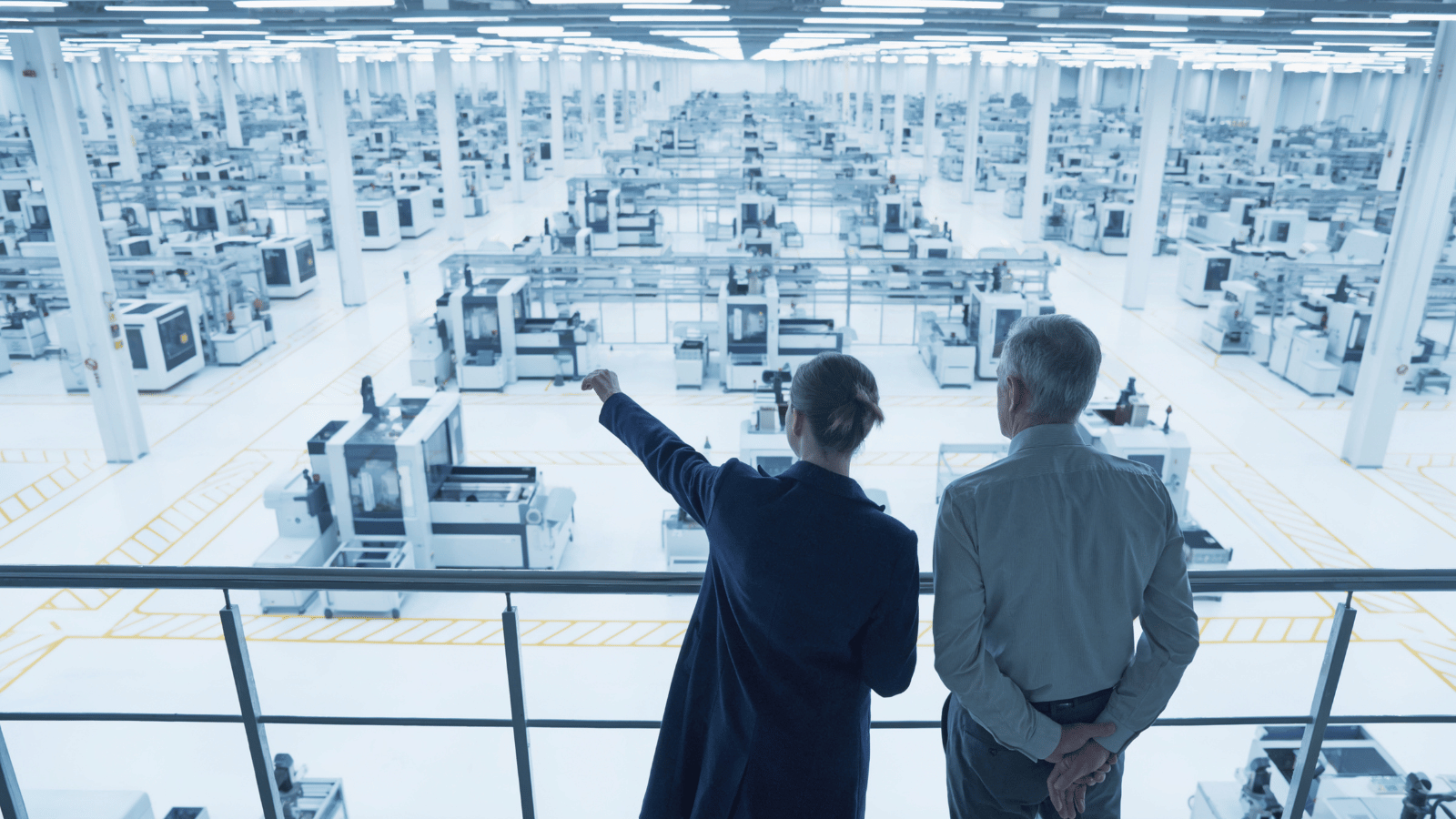
Warehousing is a crucial component of today’s advanced manufacturing system and the supply chain. A warehouse can be thought of as a structure where our products are kept, and warehousing can be thought of as the procedures or actions we take to enhance material handling. Controlling activities and elegantly optimising the system are major functions of the warehouse management system, which is the brain behind warehousing.
These days, nearly every business uses flexible management systems due to their many benefits, such as increased production and work optimisation.
This article examines the smart warehousing strategies that you can employ for a flexible manufacturing ecosystem.
We will uncover
- Key Smart Warehousing Strategies for Flexible Manufacturing
- FAQs About Smart Warehousing Strategies for Flexible Manufacturing
Key Smart Warehousing Strategies for Flexible Manufacturing
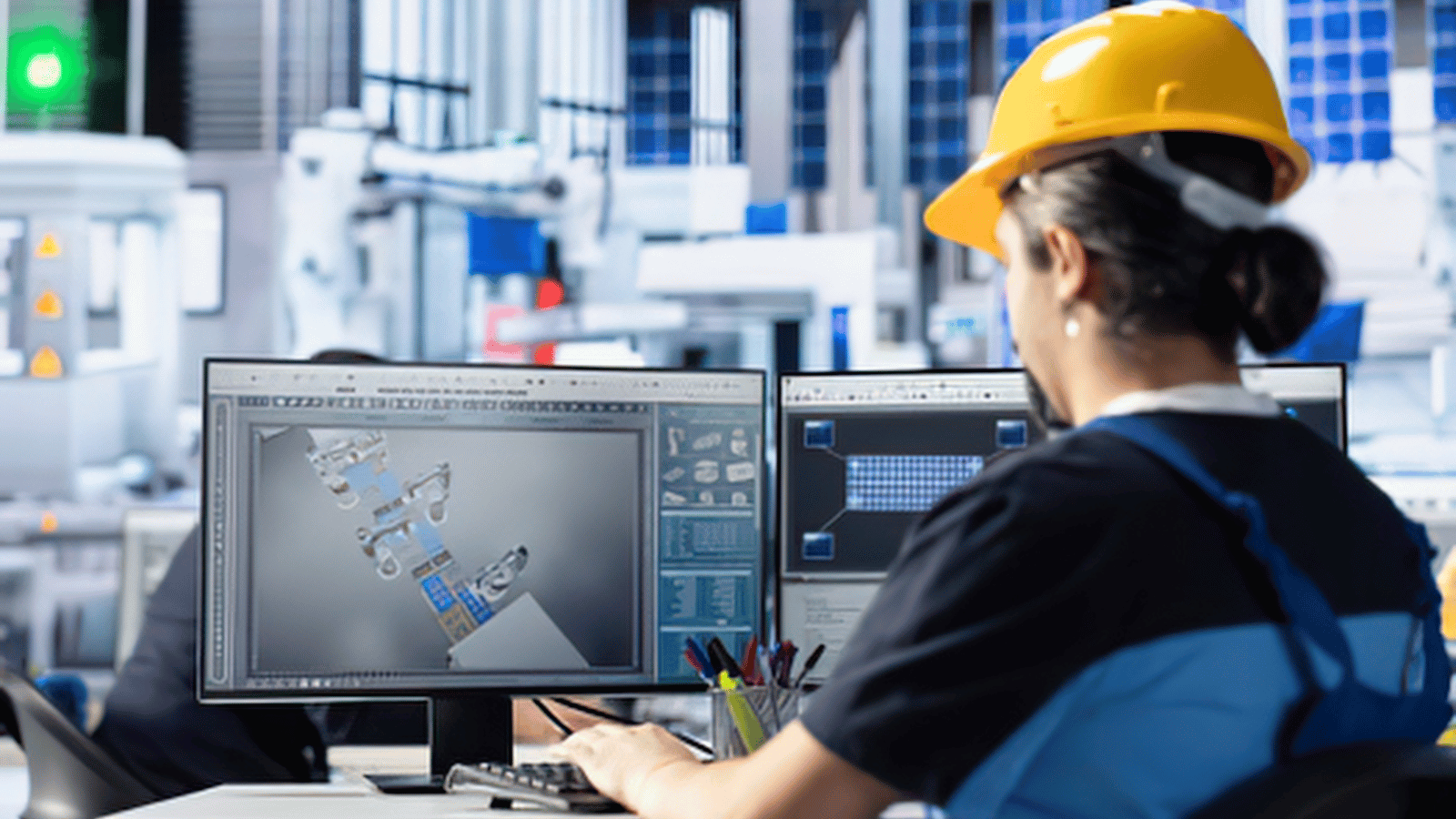
In the section below, we explore the most commonly utilised and smart warehousing strategies you can adopt for your warehouse :-
Applying Travelling Salesman Theory
The travelling salesman hypothesis is a method for managing the time needed to complete tasks in a shorter amount of time.
Although it is the most popular and practical option for time management, it is typically presented as a problem. It has taken decades for mathematicians to find a solution. It is mostly used to determine the shortest path for delivering the items to the client.
It is complicated because numerous considerations are involved, including the consignment weight, material, size, and the area from which it will be safe and convenient to move. The time needed is not always reduced by using the short path; it varies depending on the goods.
Utilising a Flexible Manufacturing System (FMS)
The flexible production system is evolving by the day. By using increasingly sophisticated technologies, industries are automating tasks. Keeping an accurate record of everything that occurs in the workplace, from loading the material onto the machine to picking up the completed product and transporting it to the warehouse storage places, is one of the manufacturing industry’s greatest assets is the flexible manufacturing system.
In order to improve work processes and save time, the stations are primarily built and programmed in accordance with our specifications. These days, just a small number of people can manage the warehouse. Advanced controllers such as PLCs, automated guided vehicles, and SCADA systems make product transportation, storage maintenance, and logistics much simpler.
Industries are currently working on light-out manufacturing, which will have no human interaction at all. This will be the best thing for the industries, but it will be a nightmare for the workers.
Technological Optimisation
You can employ real-time optimisers in addition to all of these technologies because they are the only ones that can optimise activities over short periods of time.
This occurs in brief procedures such as enhancing transportation, storage, and material handling systems. Even tiny adjustments can have a significant impact.
Improved workstation performance, easier design implementation, and handling sequence testing are just a few of the many positive aspects of optimisation that make it the most crucial component of manufacturing systems.
Enhancing Warehouse Operations
Today, improving warehouse operations is the primary goal for many warehouses. To properly track, find, and manage the resources in the warehouse environment, industries deploy mobile technology that employs a customised case-based retrieval engine in addition to radio frequency-based technologies.
Hardware and software are the two components that make up the system’s design and structure. Without a doubt, this has an impact on warehouse operations. Every element in a warehouse depends on the others. Every process is impacted, including movement, input to the warehouse, and client dispatch.
When a product is relocated from its storage position, the system determines every possible way to make the most use of the available space based on the dimensions of other products.
Additionally, shifts in client demand alter the entire operational planning process. Everything is adjusted appropriately, including inventory and material imports. The issue that arises now is that we have more work to do and less time.
Opting for Warehouse Management Systems
Clearly, the current logistics system now requires an automated warehouse. It has all the benefits an industry might want, including land preservation, labour intensity reduction, narrow gaps, improved management quality, decreased outages, improved logistics efficiency, etc.
When all of these factors come together, the company physically saves money, makes more money, and expands quickly as a result of providing excellent customer service. A warehouse management system has all the information regarding inventory, storage, location, and dispatch stock; it is not limited to a single industry sector.
And for a great business, accountability is more important than productivity or quantity—all of these factors are helpful—but effective management is necessary if we want the company to reach new heights.
Some businesses have implemented emerging artificial intelligence-powered systems to monitor records and forecast or determine what should be done at work.
AI-powered warehouse systems employ a variety of sensors and controllers to do this. All of these upgrades are always required for a system to become more productive and efficient.
How Cerexio Warehouse Management System Powers Smart Warehousing for Flexible Manufacturing
You can transform warehouse operations with Cerexio Warehouse Management System, where we have integrated digital technologies and Industry 4.0 capabilities for flexible manufacturing. Now you can gain real-time inventory visibility, automate stock movements, optimise storage layouts, and coordinate material flows with production demands.
The Cerexio platform’s IoT connectivity and intelligent analytics help you respond to changing schedules, minimise picking errors, reduce waste, and improve resource utilisation. Cerexio helps you build a more agile, connected warehouse that boosts productivity and supports efficient manufacturing operations.
Call for a free demo.
Cerexio-For Optimal Warehouse Efficiency
FAQs About Smart Warehousing Strategies for Flexible Manufacturing
Smart warehousing strategies utilise data analytics, sophisticated storage systems, automation, and real-time inventory management to support flexible production schedules and shift industrial needs.
Smart warehousing increases flexibility by facilitating quicker material retrieval, precise inventory visibility, automatic replenishment, and effective coordination between production needs and warehouse operations.
Smart warehouses use IoT sensors, warehouse management systems, autonomous mobile robots, RFID tracking, artificial intelligence, and automated storage solutions to improve operational efficiency.
Businesses can optimise inventory by employing automated replenishment, demand forecasting, real-time tracking, and production data integration to limit stockouts, cut down on surplus inventory, and preserve effective workflows.