A major worldwide trend in the manufacturing industry is the creation of smart factories, which use cutting-edge technologies and digital solutions to improve production efficiency, cut costs, and create more flexible and sustainable manufacturing processes. Smart manufacturing involves cutting-edge technologies like the Internet of Things (IoT), cloud computing, Digital Twin and big data analytics.[1]
With Smart manufacturing powered by IIoT, Digital Twin and other emerging technologies, we can see that production lines’ adaptability and flexibility have been enhanced, customised manufacturing is enabled, product time-to-market is shortened, and market competitiveness has been heightened.
In this article, we explore how IIoT and Digital Twin pave way for smart manufacturing through its architecture.
We will uncover
- Industrial Internet of Things and Digital Twin Application in Smart Manufacturing
- How Industrial Internet of Things and Digital Twin Empower Smart Manufacturing
- FAQs About IIoT and Digital Twins in Smart Manufacturing
Industrial Internet of Things and Digital Twin Application in Smart Manufacturing
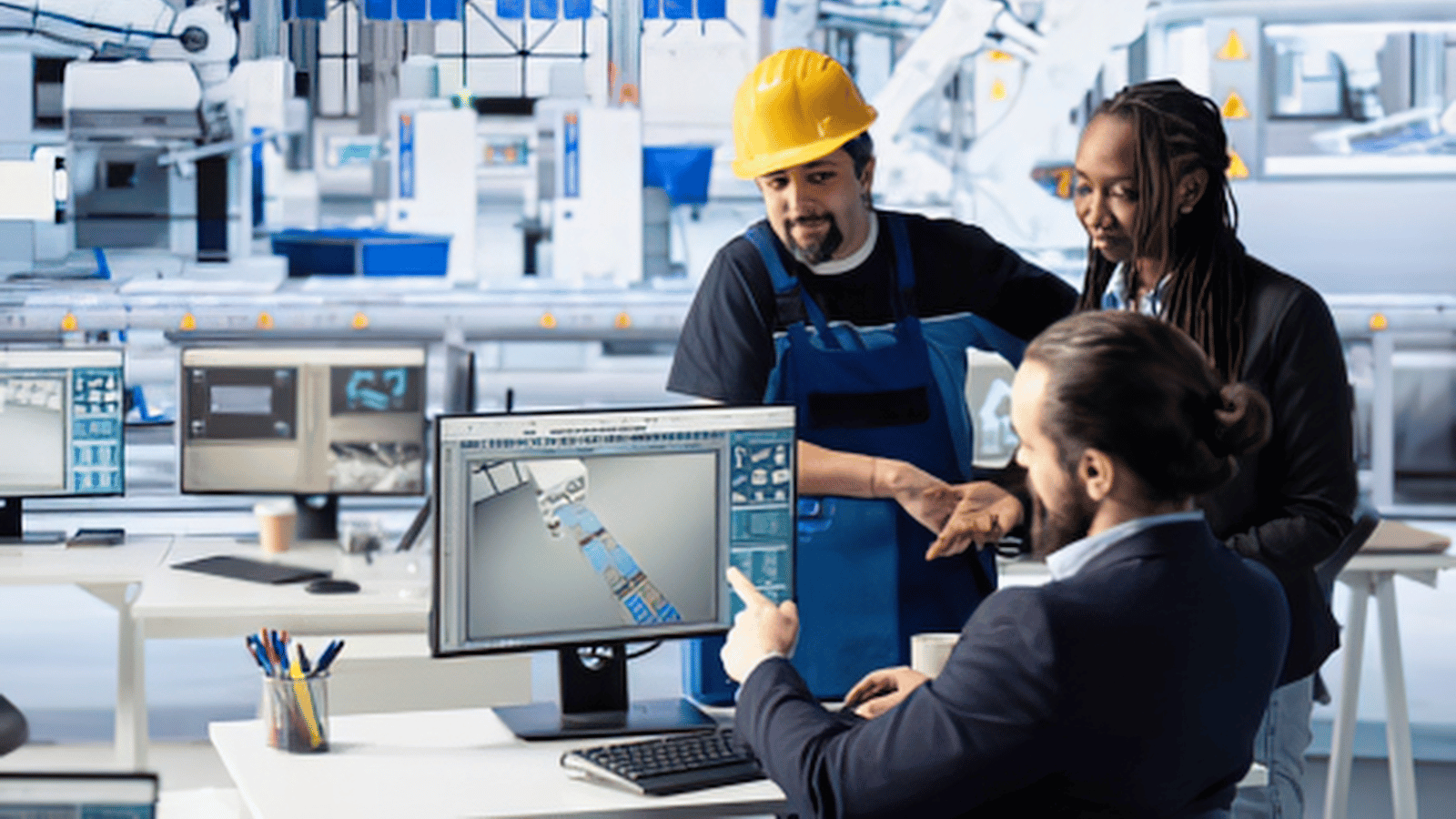
Modern manufacturing is given new life by the use of IIoT and DT technologies in smart manufacturing, which gives businesses a more intelligent, efficient, and sustainable production strategy.
Device interconnection is made easier by the deep integration of information technology and physical systems, as demonstrated by the IIoT. This technology creates a production environment with real-time monitoring and control by gathering data in real time from sensors, machinery, and process flows.
This idea is further enhanced by DT technology, which creates a digital equivalent known as a DT model by virtually representing physical systems.
Establishing a DT model usually entails digitising, linking, and updating physical equipment representations on a regular basis.
To ensure synchronisation between the DT and the real physical systems, the entire application process can be broken down into parts like data collection, data transfer, data processing, and model changes.
How Industrial Internet of Things and Digital Twin Empower Smart Manufacturing
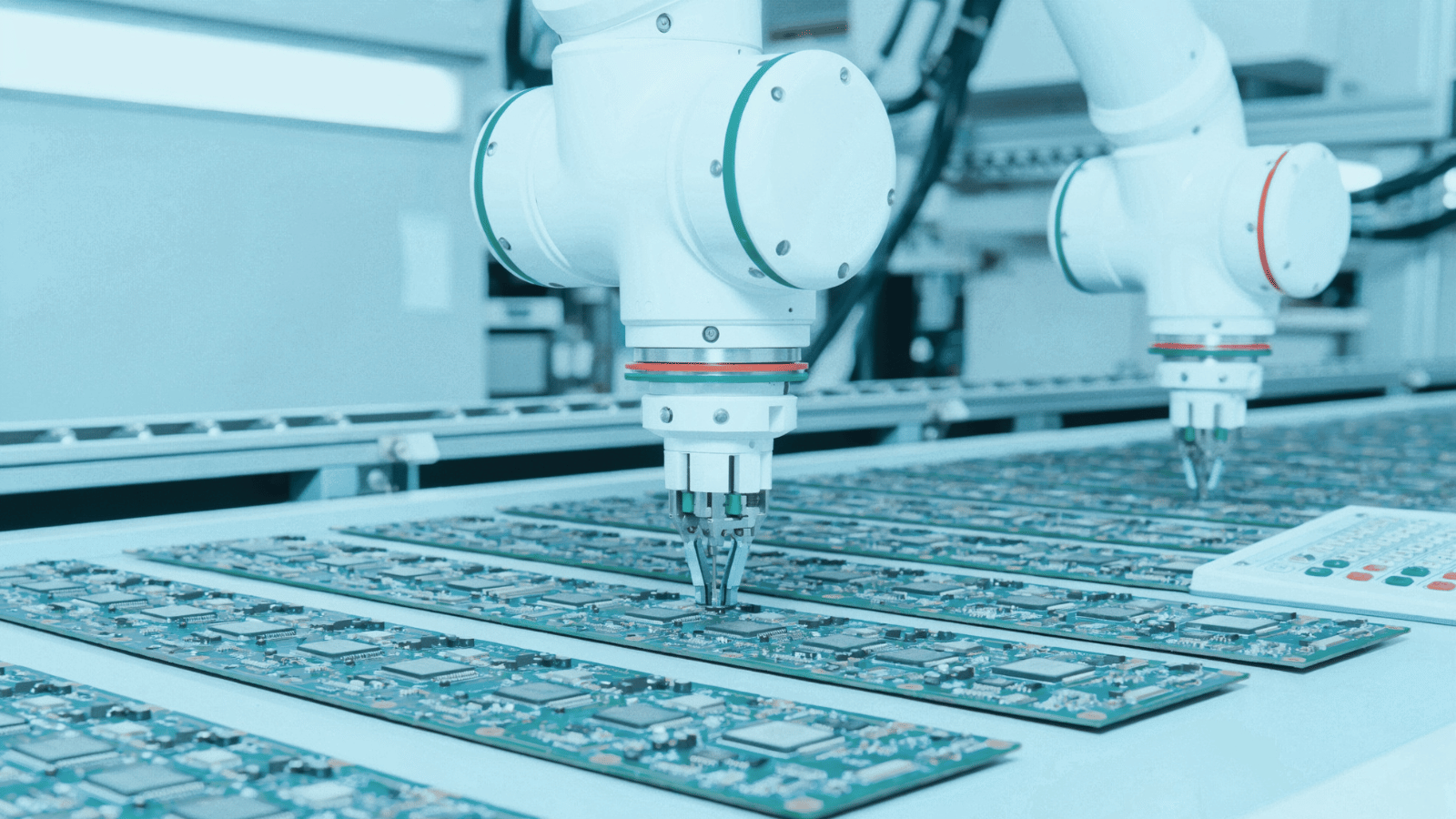
In the section below, we will explore how smart manufacturing has been improved by the use of DT technology and IIoT :-
DT Enhances Modelling of Production Processes
When it comes to modelling manufacturing processes in smart factories, DT technology exhibits excellent application prospects.
Businesses can accomplish a very realistic simulation and replication of physical production systems by using DT technology, which offers comprehensive and real-time digital representations of production processes.
Organisations can monitor, analyse, and optimise production processes in real time because of this capacity. DT models can also be used to simulate different production scenarios, providing decision-makers with extensive data support.
To guarantee synchronisation between the model and the real production system, the modelling process of DT usually consists of processes like digital representation, linking the model to the real world, and real-time data updates.
DT and IIoT for Real-Time Production Monitoring
In order to gather operational data in real time, the Industrial Internet of Things (IIoT) links machines, sensors, and production equipment. By converting this data into virtual representations of manufacturing processes, digital twins allow teams to follow production progress, keep an eye on performance, and spot inefficiencies.
This connection helps manufacturers maintain more efficient processes while reacting swiftly to shifting production conditions and unforeseen disturbances. It also enhances operational visibility and facilitates quicker decision-making.
Allowing Predictive Maintenance
In order to spot early warning indicators of possible breakdowns, IIoT sensors continuously monitor equipment variables, such as temperature, vibration, and operating performance.
This data is used by digital twins to assess performance trends, model machine behaviour, and forecast potential maintenance needs.
Combining these technologies allows producers to improve overall equipment reliability and operating efficiency while extending machinery lifespan, reducing unplanned equipment breakdowns, minimising production downtime, and scheduling maintenance in advance.
Offering Production Process Optimisation
IIoT devices offer real-time information regarding resource use, machine performance, and industrial activities. Before making adjustments on the factory floor, digital twins use these insights to model production processes, assess different production scenarios, and spot any bottlenecks.
By supporting continuous improvement across interconnected manufacturing operations, this integration helps manufacturers optimise workflows, enhance equipment utilisation, decrease operational waste, and boost production efficiency.
Improving Product Quality
IIoT sensors continuously record manufacturing data, assisting teams in keeping an eye on crucial production metrics and spotting departures from predetermined quality standards. Manufacturers can study process differences, simulate modifications, and assess their possible impact on product quality by using digital twins, which virtually recreate manufacturing processes.
Manufacturers may identify flaws sooner, cut down on material waste, uphold uniform product standards, and improve quality assurance throughout production by integrating real-time monitoring with virtual simulations.
Enabling Data-Driven Decision-Making
Manufacturers can transform real-time operational data into useful insights by integrating IIoT with digital twin technologies.
While digital twins assist teams in visualising performance, simulating possible adjustments, and assessing various operational scenarios, IIoT devices gather data from connected equipment.
This data-driven strategy strengthens overall operational performance, facilitates well-informed planning, enhances resource allocation, lowers decision-making uncertainty, and helps manufacturers adapt to shifting production demands.
How Cerexio Digital Twin Powers Smart Manufacturing with IIoT
Now you can transform production with the Cerexio Digital Twin System, which is built by combining Industrial Internet of Things (IIoT), digital twin technology, and AI to advance Industry 4.0 smart manufacturing. It is now easier to create virtual factory models, monitor real-time equipment data, and simulate production scenarios to optimise performance.
The Cerexio software platform’s predictive insights help identify bottlenecks, reduce downtime, minimise waste, and improve product quality. Our software solution simply enables smarter decisions, greater operational visibility, and more agile, efficient, connected manufacturing processes across your enterprise.
Call for a free demo.
Cerexio-For Data-Driven Manufacturing Ecosystem
FAQs About IIoT and Digital Twins in Smart Manufacturing
IIoT connects industrial devices with sensors to gather operational data in real time, and digital twins build virtual copies of real-world assets, operations, or entire factories.
IIoT and digital twins facilitate process simulation, real-time monitoring, predictive maintenance, and performance optimisation, assisting manufacturers in lowering operating costs, increasing productivity, and decreasing downtime.
Combining IIoT and digital twins promotes product quality, facilitates data-driven decision-making, increases equipment visibility, optimises resource use, and permits quicker reactions to production problems.
AI analyses IIoT data and digital twin simulations to assist intelligent, automated manufacturing decisions, detect inefficiencies, improve production parameters, and anticipate equipment breakdowns.